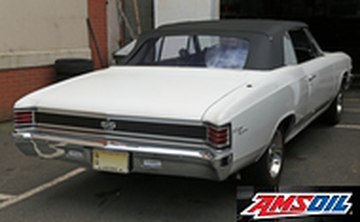
Maintenance Guide for the 1983 Chevrolet Impala 5.7L
Maintaining a classic vehicle like the 1983 Chevrolet Impala requires consistent attention to fluid levels and component health. Proper lubrication of the engine and transmission is fundamental to ensuring the longevity of the powertrain components. This guide provides information regarding specific fluids and general maintenance practices for this application.
What transmission fluid is listed for my 1983 Chevrolet IMPALA 5.7L?
The following automatic transmission fluids are listed for this vehicle: ATLPK-EA Signature Series Fuel-Efficient Synthetic Automatic Transmission Fluid and OTLQT-EA OE Fuel-Efficient Synthetic Automatic Transmission Fluid.
Engine Oil Lubrication Fundamentals
The engine is the heart of the 5.7L powertrain, and its ability to operate smoothly depends heavily on the quality and condition of the engine oil. Engine oil performs several critical roles: it lubricates moving parts to reduce friction, helps cool internal components by carrying heat away from the combustion chamber, cleans the engine by suspending contaminants, and protects against corrosion.
For this specific 1983 Chevrolet Impala, the database allows for the use of 10W-30 engine oil. Using an appropriate lubricant helps maintain the necessary film strength required to protect bearings, pistons, and camshaft surfaces during operation. Regularly checking the oil level using the dipstick is a vital habit for any owner to prevent oil starvation, which can lead to catastrophic mechanical failure.
Monitoring Fluid Integrity and Levels
Regularly inspecting all essential fluids is a cornerstone of preventative maintenance. Beyond engine oil and transmission fluid, other vehicle systems rely on specific fluids to function correctly. While this guide focuses on the primary powertrain lubricants, owners should remain vigilant regarding any signs of leaks or discoloration in fluids under the vehicle.
When checking levels, it is best practice to perform the inspection on level ground. For engine oil, this often means checking after the engine has been running for a short period and then allowed to settle. For transmission fluid, specific procedures regarding engine temperature and gear selection may be required; always consult the manufacturer's documentation to ensure readings are accurate.
Managing Engine Contaminants
Over time, engine oil becomes saturated with combustion byproducts, moisture, and microscopic metal particles. This buildup can degrade the oil's ability to protect the engine. Maintaining a clean lubrication system involves more than just adding new oil; it requires ensuring that the filtration system is functioning as intended.
A clean oil filter is essential for capturing these contaminants before they can circulate through sensitive engine passages. If the oil appears excessively dark, gritty, or smells burnt, it may indicate that the lubricant has reached the end of its effective service life. Following the manufacturer's recommended maintenance schedule is the most reliable way to manage these changes.
Temperature and Viscosity Considerations
The viscosity of a lubricant refers to its resistance to flow. In an engine, the oil must be thin enough to circulate quickly during a cold start but thick enough to maintain a protective film when the engine reaches operating temperature. The 10W-30 grade listed for this application is designed to balance these needs across varying thermal conditions.
Extreme temperature fluctuations can affect how fluids behave. In very cold environments, thicker oils may struggle to flow immediately upon startup, while in extreme heat, thinner oils might lose their protective properties. Understanding the role of viscosity helps an owner appreciate why using the correct specification is necessary for the mechanical health of the 5.7L engine.
Preventative Maintenance Scheduling
Consistency is more effective than reactive repairs. Rather than waiting for a warning light or a mechanical symptom to appear, owners should adhere to a proactive maintenance routine. This includes regular inspections of belts, hoses, and fluid levels.
Because this is a 1983 model, components may be subject to age-related wear regardless of mileage. Rubber seals and gaskets can become brittle over time, potentially leading to fluid leaks. Periodically inspecting the engine bay for signs of seepage or weeping around the valve covers, oil pan, and transmission housing can help identify issues before they become major repairs.
BUYING ENGINE OIL
When you are ready to purchase lubricant for your vehicle, ensure you select a product that meets the requirements for your specific engine. For this 1983 Chevrolet Impala 5.7L, look for oil that matches the 10W-30 specification. Always check the container labels carefully and prioritize high-quality products that are designed to provide stable lubrication under standard operating conditions. Following the manufacturer's maintenance schedule will ensure you are replacing your oil at the appropriate intervals.